Why I Built Eat for Healing
Diabetes affects millions of people, yet many are never taught how different foods influence their blood sugar. I created Eat for Healing to make that information easier to understand and accessible to everyone.
My interest began with a simple question: How does the food we eat affect diabetes? Since then, I have spent countless hours studying nutrition, glycemic index, glycemic load, carbohydrates, fiber, and the science behind how foods impact blood glucose. I research medical literature, analyze nutrition data, and continually expand my knowledge to better understand the connection between diet and metabolic health.
This website is the result of that ongoing learning. It helps people explore foods based on their nutritional characteristics so they can make more informed decisions. While no single food can cure diabetes, informed food choices - combined with guidance from healthcare professionals - can play an important role in managing blood sugar and supporting long-term health.
My mission is simple: to transform complex nutrition science into practical, easy-to-understand information that empowers people to make healthier food choices every day.
My Mission
Learning from nature and caring for the world around us.
My mission is to learn more about the connection between nature, the environment, and our health, and to help others learn along the way.
I enjoy being outdoors, learning about animals and insects, exploring nature, and helping clean parks and other outdoor spaces. The more time I spend learning about nature, the more I realize how connected everything is. Clean water, healthy soil, plants, animals, and insects all play an important role in the world around us.
I want to learn more about how pollution, litter, waste, and habitat loss affect our environment and the communities we live in. I also want to encourage people to appreciate nature and understand that small things - like recycling, picking up litter, protecting plants, or simply spending time outside - can make a difference.
I don't have all the answers, and I'm still learning. Through volunteering, research, and exploring the natural world, I hope to keep learning and share what I discover with others.
My goal is simple: to better understand nature, take care of the places around me, and encourage others to do the same.
A little more about me
Nature, learning, and community are central to who I am.
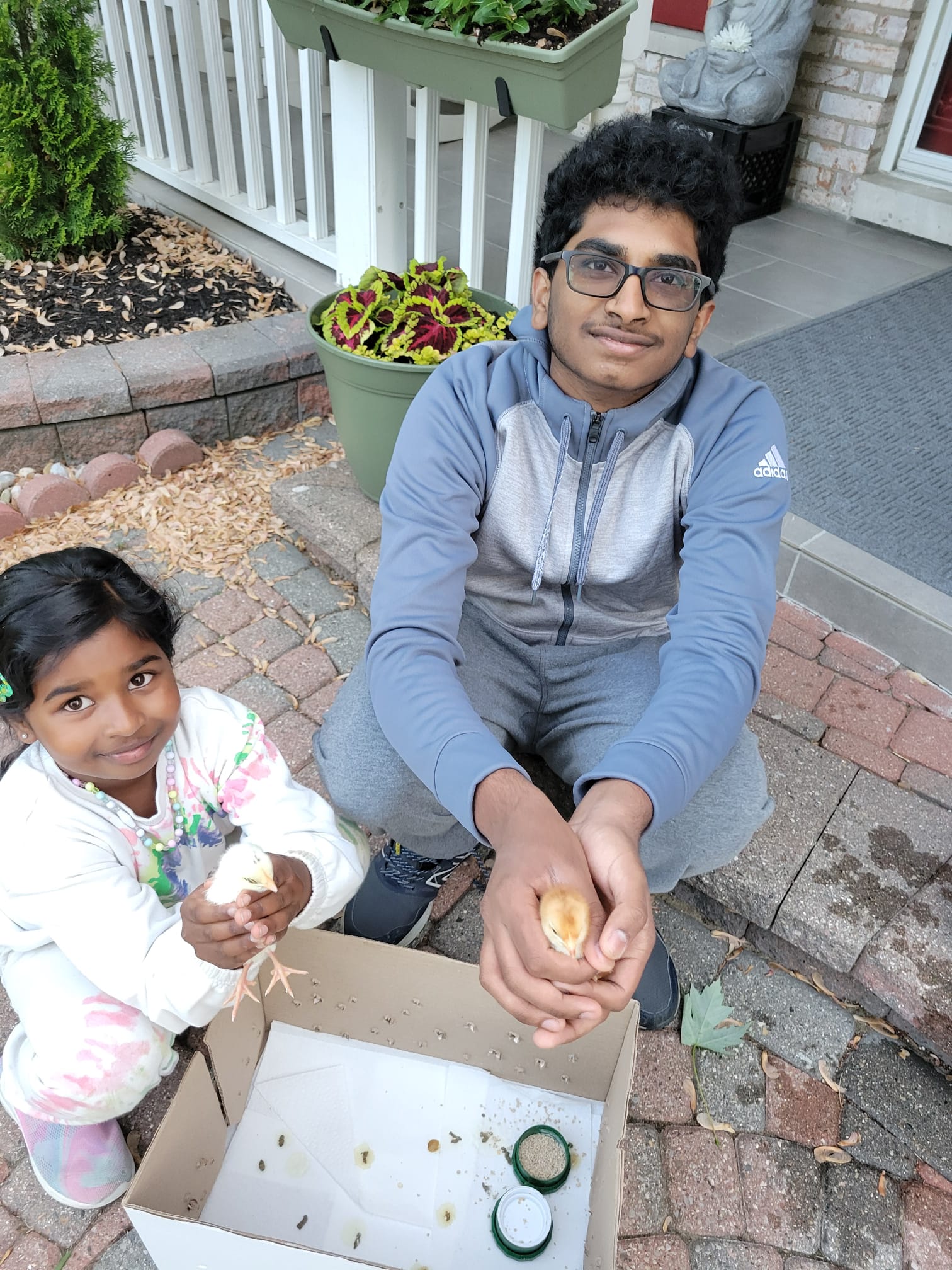
Beyond the research and website work, I love spending time outdoors, learning about the natural world, and understanding how healthy environments support healthy lives.
These experiences shape my perspective and remind me that small actions—whether protecting parks, caring for the environment, or helping others learn—can have a meaningful impact.
My Research
Exploring chronic inflammation and neurodegeneration.
I wrote a research paper about chronic inflammation and neurodegeneration under the guidance of Dr. Jobin Varkey, Assistant Professor at the University of Southern California.
Read my research paperActivities
Japanese Quiz Bowl
I studied Japanese and competed in quiz bowl tournaments during 9th, 10th, and 11th grade.
Science Olympiad
I competed in Science Olympiad in 11th grade. My events included entomology, remote sensing, and dynamic planet.
Work Experience
I worked at a store during summer break. I helped as a cashier, stocked shelves, cleaned, and handled store tasks.
Volunteering
I am building more volunteer work through park cleanups, food pantry service, and community projects.
Diabetes Research
My father and grandmother were diagnosed with Diabetes. My dad continued to eat fried banana chips since he was under the impression that fried food did not affect diabetes. Since fried banana chips did not have carbohydrates.
I researched on the internet and told him that this was not right and fried banana chips were not good for diabetes. He asked me to prove it. This started my journey into food and the impact of food intake on diabetes and hypertension.
I started to create a journal with the names of the foods and their glycemic index so that my grandma and dad could easily refer to it. I started with simple fruits, vegetables and grains. Later I expanded to prepared food like whole wheat bread and cake and other varieties.
I wanted to create a website that others can easily look up foods that they eat on a regular basis. My website should be able to make a recommendation based on the glycemic index and other nutritional values of the food and other dishes. This will allow the user to figure out if the food is good for them and their condition.
Most of the nutritional values comes from the University of Sydney, the USDA and other sources on the internet.